Avoiding Common Pitfalls in Spanish Auto Registration


Understanding the Basics of Spanish Auto Registration
Registering a vehicle in Spain can be a complex process, especially for those unfamiliar with the country's regulations. Whether you're a new resident or purchasing a vehicle from abroad, understanding the basics is crucial. The process involves several steps, and missing any can lead to delays or fines.
One of the first things to note is that registration is mandatory for all vehicles. This means ensuring that your vehicle meets all the necessary legal requirements before hitting the road. Begin by gathering all essential documents, including proof of ownership and identification.
Common Mistakes to Avoid
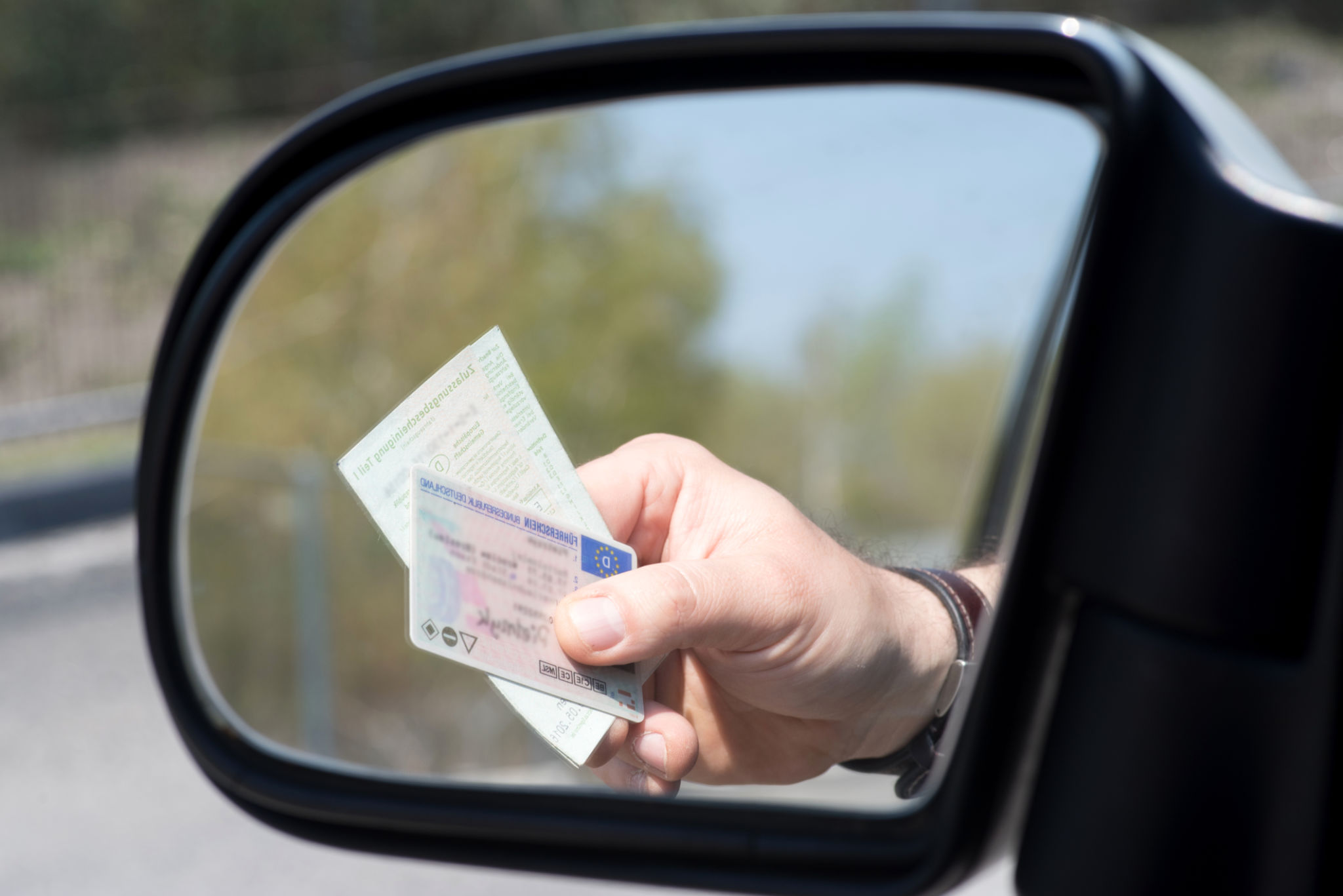
A frequent pitfall is not having all the necessary documentation. Missing paperwork such as the ITV (Inspección Técnica de Vehículos) certificate, which proves your vehicle's roadworthiness, can halt the registration process. Ensure that your ITV is up to date and valid.
Another mistake is underestimating the time it takes to complete the registration. The process can take several weeks, so planning ahead is vital. It's advisable to start the process as soon as possible to avoid any inconveniences.
Understanding Taxes and Fees
When registering a vehicle in Spain, you are required to pay several taxes and fees. These include the registration tax, which is dependent on the vehicle's CO2 emissions, and a road tax. Failing to understand these costs can lead to unexpected expenses.
Make sure to calculate these taxes accurately and set aside a budget. Utilizing online calculators or consulting with a local expert can help you estimate the total costs involved in the registration process.

Seeking Professional Help
Given the complexity of the process, many people choose to enlist the help of a gestor. A gestor is a specialist who can manage the paperwork and bureaucracy on your behalf. While this involves an additional cost, it can save you significant time and stress.
When selecting a gestor, ensure they are reputable and experienced in auto registration. A reliable professional can guide you through the entire process, ensuring compliance with all legal requirements.
Finalizing the Registration
Once all documents are in order and fees are paid, the final step is to submit everything to the local Traffic Office (Jefatura de Tráfico). After processing, you will receive the registration certificate and license plates.
Remember, driving without proper registration is illegal and could result in fines or other penalties. Ensuring that your vehicle is registered correctly not only keeps you compliant but also provides peace of mind on the road.

Conclusion
Avoiding these common pitfalls in Spanish auto registration requires careful attention to detail and a thorough understanding of the process. By preparing adequately and seeking professional assistance when necessary, you can navigate the registration smoothly and efficiently.
Whether you're new to Spain or simply updating your vehicle, staying informed and organized will help you avoid unnecessary hassles and enjoy your driving experience with confidence.